Home
Lamella Clarifier
Filter Press
Polymer
BLOG and NEWS
Lab Waste Water Treatment
FAQ
Sludge Dryer
Parkson Lamella Clarifier
Gallery
JWI FILTER PRESS
DMP Waste Water Treatment
Lamella Clarifier Design
Parkson Plate Packs
Home
Lamella Clarifier
Filter Press
Polymer
BLOG and NEWS
Lab Waste Water Treatment
FAQ
Sludge Dryer
Parkson Lamella Clarifier
Gallery
JWI FILTER PRESS
DMP Waste Water Treatment
Lamella Clarifier Design
Parkson Plate Packs
More
  • Home
  • Lamella Clarifier
  • Filter Press
  • Polymer
  • BLOG and NEWS
  • Lab Waste Water Treatment
  • FAQ
  • Sludge Dryer
  • Parkson Lamella Clarifier
  • Gallery
  • JWI FILTER PRESS
  • DMP Waste Water Treatment
  • Lamella Clarifier Design
  • Parkson Plate Packs
  • Home
  • Lamella Clarifier
  • Filter Press
  • Polymer
  • BLOG and NEWS
  • Lab Waste Water Treatment
  • FAQ
  • Sludge Dryer
  • Parkson Lamella Clarifier
  • Gallery
  • JWI FILTER PRESS
  • DMP Waste Water Treatment
  • Lamella Clarifier Design
  • Parkson Plate Packs

What Is a Lamella Clarifier?


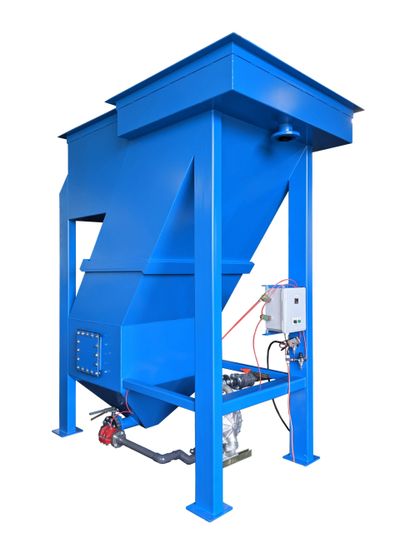
A lamella clarifier is a compact gravity settling device used to separate suspended solids from water or wastewater. It is also commonly called an inclined plate clarifier, lamella plate clarifier, inclined plate settler, or slant plate clarifier.

The purpose is simple: remove solids from liquid before the water is dis
CONTACT SALES TODAY

How Does a Lamella Clarifier Work?

Lamella Clarifier vs. Conventional Clarifier

Why Inclined Plates Improve Settling


A lamella clarifier works by directing water upward through a series of angled plates. As the water moves between the plates, gravity causes suspended solids to settle onto the plate surfaces. The solids slide down the plates into a sludge hopper or cone, while clarified water exits from the top.

The basic process is:

Influent wastewater enters the clarifier
Flow is distributed evenly below the plate pack
Water rises between the inclined plates
Solids settle onto the plates
Solids slide down into the sludge cone
Clarified water exits the top of the clarifier
Sludge is discharged to a sludge tank or filter press

Why Inclined Plates Improve Settling

Lamella Clarifier vs. Conventional Clarifier

Why Inclined Plates Improve Settling


Inclined plates increase the projected settling area inside the clarifier. Instead of relying only on the footprint of the tank, the clarifier uses multiple angled surfaces to create more area for solids to settle.

This is why lamella clarifiers can often handle more flow in less space than a conventional settling tank.

Lamella Clarifier vs. Conventional Clarifier

Lamella Clarifier vs. Conventional Clarifier

Lamella Clarifier vs. Conventional Clarifier


When comparing a lamella clarifier to a conventional clarifier, the biggest differences come down to footprint, settling efficiency, and how the solids are collected.

A lamella clarifier uses inclined plates to dramatically increase the effective settling area inside the tank. Because of this, it can achieve the same or better solids removal performance in a much smaller space. This makes it ideal for industrial wastewater treatment systems where floor space is limited or where a compact design is required.


What Makes Met-Chem Different?

What Makes Met-Chem Different?

Lamella Clarifier vs. Conventional Clarifier


Met-Chem manufactures lamella clarifiers with a focus on industrial wastewater applications.

The main Met-Chem advantages are:

50-minute retention time
60-degree inclined plate design
Large projected settling area
Cone-bottom sludge collection
Automatic sludge blowdown options
Integration with Met-Chem filter presses
Replacement and retrofit options
Built in the USA
Industrial wastewater experience since 1956

Why Retention Time Matters

What Makes Met-Chem Different?

Why Retention Time Matters


Retention time is the amount of time wastewater remains inside the clarifier before exiting.

More retention time gives solids more opportunity to settle. This can improve effluent clarity, reduce solids carryover, and create a more forgiving system when flow or solids loading changes.

Met-Chem’s 50-minute retention design gives the clarifier more settling opportunity than designs focused only on compact size.

Common Applications

What Makes Met-Chem Different?

Why Retention Time Matters


Lamella clarifiers are used in:

Metal finishing wastewater
Plating wastewater
Mining wastewater
Battery recycling wastewater
Laboratory wastewater
Groundwater treatment
Industrial process water
Sand filter backwash
Clarifier retrofits
Pre-treatment before filter presses

Lamella Clarifier Design Factors

Sludge Handling After the Clarifier

Lamella Clarifier Design Factors


A proper lamella clarifier design should consider:

Flow rate
Surface loading rate
Plate angle
Plate spacing
Plate material
Influent solids concentration
Chemical pretreatment
Flocculation time
Sludge storage volume
Blowdown frequency
Filter press sizing
Available floor space

Chemical Pretreatment

Sludge Handling After the Clarifier

Lamella Clarifier Design Factors


A lamella clarifier works best when the solids are settleable. In many industrial wastewater systems, the wastewater must be chemically treated before clarification.

Common steps include:

pH adjustment
Coagulant addition
Polymer addition
Flocculation
Metal precipitation
Solids settling
Sludge dewatering

Without proper pretreatment, fine particles may not settle well and can carry over into the clarified water.

Sludge Handling After the Clarifier

Sludge Handling After the Clarifier

Sludge Handling After the Clarifier


The sludge collected in the cone bottom must be removed regularly. If sludge is allowed to sit too long, it can compact, harden, or create rat-holing.

Met-Chem often recommends automatic sludge blowdown to keep solids moving. The sludge can then be sent to a sludge holding tank or filter press.

A filter press is commonly used after a lamella clarifier to dewater the settled sludge into a dry filter cake.

Water Treatment Solutions

How a Lamella Clarifier Works


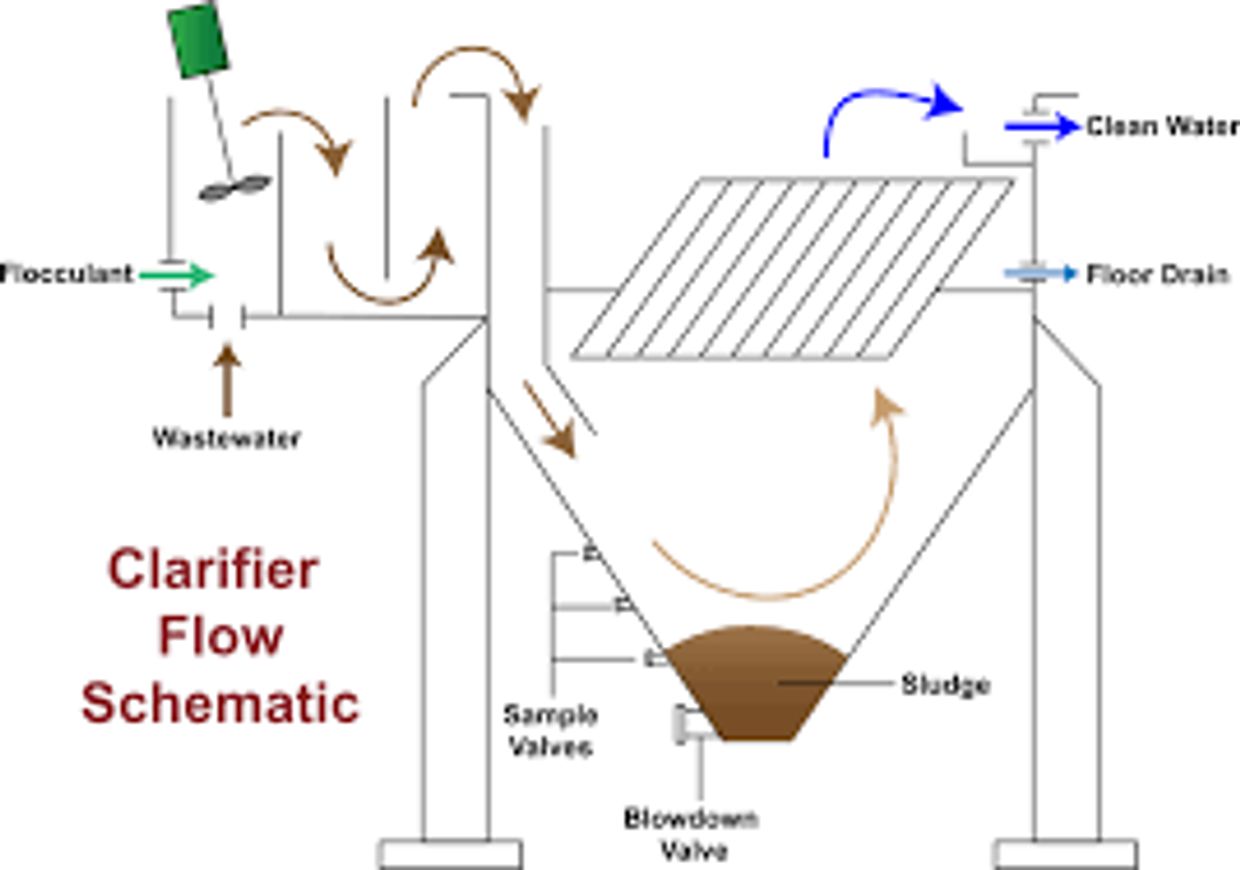
A lamella clarifier removes suspended solids from wastewater by using gravity and inclined plate settling. Wastewater flows upward through a series of angled plates, allowing solids to settle onto the plate surfaces while clarified water exits from the top.

As the water moves through the plate pack, solids only need to travel a short vertical distance before contacting a surface. This increases settling efficiency and allows the system to operate in a much smaller footprint compared to a conventional clarifier.

Settled solids slide down the inclined plates into the sludge cone at the bottom of the unit, where they are collected and removed for further processing, typically using a filter press.


Lamella Clarifier Diagram 

Key Process Steps


  • Wastewater enters the clarifier after chemical treatment 
  • Flow is evenly distributed below the plate pack 
  • Water rises upward through inclined plates 
  • Solids settle onto plates and slide downward 
  • Sludge collects in the cone bottom 
  • Clarified water exits the top

CONTACT US TODAY

Lamella Clarifier FAQ

Please reach us at dsenney@metchem.com if you cannot find an answer to your question.

 A lamella clarifier is a gravity settling device that uses inclined plates to separate suspended solids from water or wastewater. 


 Yes. A lamella clarifier is also called an inclined plate clarifier, inclined plate settler, lamella plate clarifier, or slant plate clarifier. 


 The purpose is to remove suspended solids from liquid before discharge, reuse, filtration, or further treatment. 


 No. A lamella clarifier removes suspended solids. Dissolved solids usually require chemical precipitation, ion exchange, membrane treatment, evaporation, or another treatment method. 


 Yes. A lamella clarifier can thicken solids before they are sent to a filter press for final dewatering. 


 Sizing depends on flow rate, solids concentration, settling rate, chemical treatment, desired effluent quality, and available space. 


 A lamella clarifier should remove sludge on a regular basis to prevent buildup in the cone or hopper bottom. In many industrial systems, sludge is discharged automatically using a timed blowdown system. If sludge is not removed frequently enough, it can compact, harden, or create “rat-holing,” which reduces the effective volume of the clarifier and allows solids to pass through to the effluent. 


 Most lamella clarifiers are designed with plates set at approximately 60 degrees. This angle provides the best balance between allowing solids to settle efficiently and ensuring that settled solids can slide down the plates into the sludge collection area. Angles that are too shallow may cause solids to build up on the plates, while angles that are too steep can reduce settling efficiency. 


 Yes, a lamella clarifier can handle variable flow rates, but performance depends on proper design and retention time. Systems with longer retention time and larger usable volume are more forgiving when flow rates increase or fluctuate. However, if the flow rate exceeds the design capacity, solids may not have enough time to settle, which can lead to carryover in the effluent. 


How Does a Lamella Clarifier Work? 

  • Lamella Clarifier Design: Plate Angle, Spacing, and Retention Time 
  • Lamella Clarifier vs. Conventional Clarifier 
  • How to Size a Lamella Clarifier 
  • Why Solids Carry Over in a Lamella Clarifier
  • Parkson Lamella Clarifier
  • Parkson Plate Packs
  • Lamella Engineering Guide


Lamella Clarifier Design Formula


A lamella clarifier is typically sized using surface overflow rate (SOR), which is based on the effective settling area created by the inclined plates.

Effective settling area can be estimated using:

Effective Area = Number of Plates × Plate Length × Plate Width × cos(Plate Angle)

This allows a lamella clarifier to provide significantly more settling area than a conventional clarifier with the same footprint.

Lamella Clarifier Maintenance and Cleaning


Proper maintenance of a lamella clarifier is critical to ensure consistent performance, prevent solids carryover, and extend the life of the equipment.


One of the most important maintenance tasks is regular sludge removal. As solids settle onto the inclined plates, they slide down into the sludge cone at the bottom of the clarifier. If this sludge is not removed frequently, it can compact and harden, reducing the available volume inside the clarifier. This can lead to a condition commonly referred to as “rat-holing,” where only a small channel remains open for flow, allowing solids to pass through to the effluent.


Most industrial lamella clarifier systems use an automatic sludge blowdown system to prevent this issue. A typical setup may run for a short duration every few minutes to keep solids moving and maintain a healthy sludge blanket without overfilling the cone.


Lamella Clarifier vs Dissolved Air Flotation (DAF)


Lamella clarifiers are typically the better choice for:

  • Metal finishing wastewater 
  • Mining and aggregate wastewater 
  • Applications with dense, settleable solids 
  • Systems where lower operating cost is important 

DAF systems are often preferred for:

  • Wastewater containing oils and grease 
  • Food processing wastewater 
  • Light or non-settleable solids 
  • Applications requiring flotation rather than settling 

From an operational standpoint, lamella clarifiers generally have lower energy consumption and fewer moving parts, making them simpler and more cost-effective to operate over time. DAF systems require air compressors, recycle pumps, and more complex controls, which can increase both capital and operating costs.

In many industrial wastewater systems, a lamella clarifier is the preferred solution when solids can be chemically treated to settle, especially when combined with downstream sludge dewatering equipment such as a filter press.


Lamella Clarifier


Need help sizing a lamella clarifier?

Contact Met-Chem to review your flow rate, wastewater chemistry, solids loading, and system layout.

Call (216) 881-7900 or email dsenney@metchem.com.

Contact Us Today

Copyright © 2026 The Lamella Clarifier - All Rights Reserved.

Powered by

  • Lamella Clarifier
  • Slant Plate Clarifier
  • JWI FILTER PRESS
  • DMP Waste Water Treatment
  • Lamella Clarifier Design
  • Parkson Plate Packs

This website uses cookies.

We use cookies to analyze website traffic and optimize your website experience. By accepting our use of cookies, your data will be aggregated with all other user data.

Accept